BEERS London
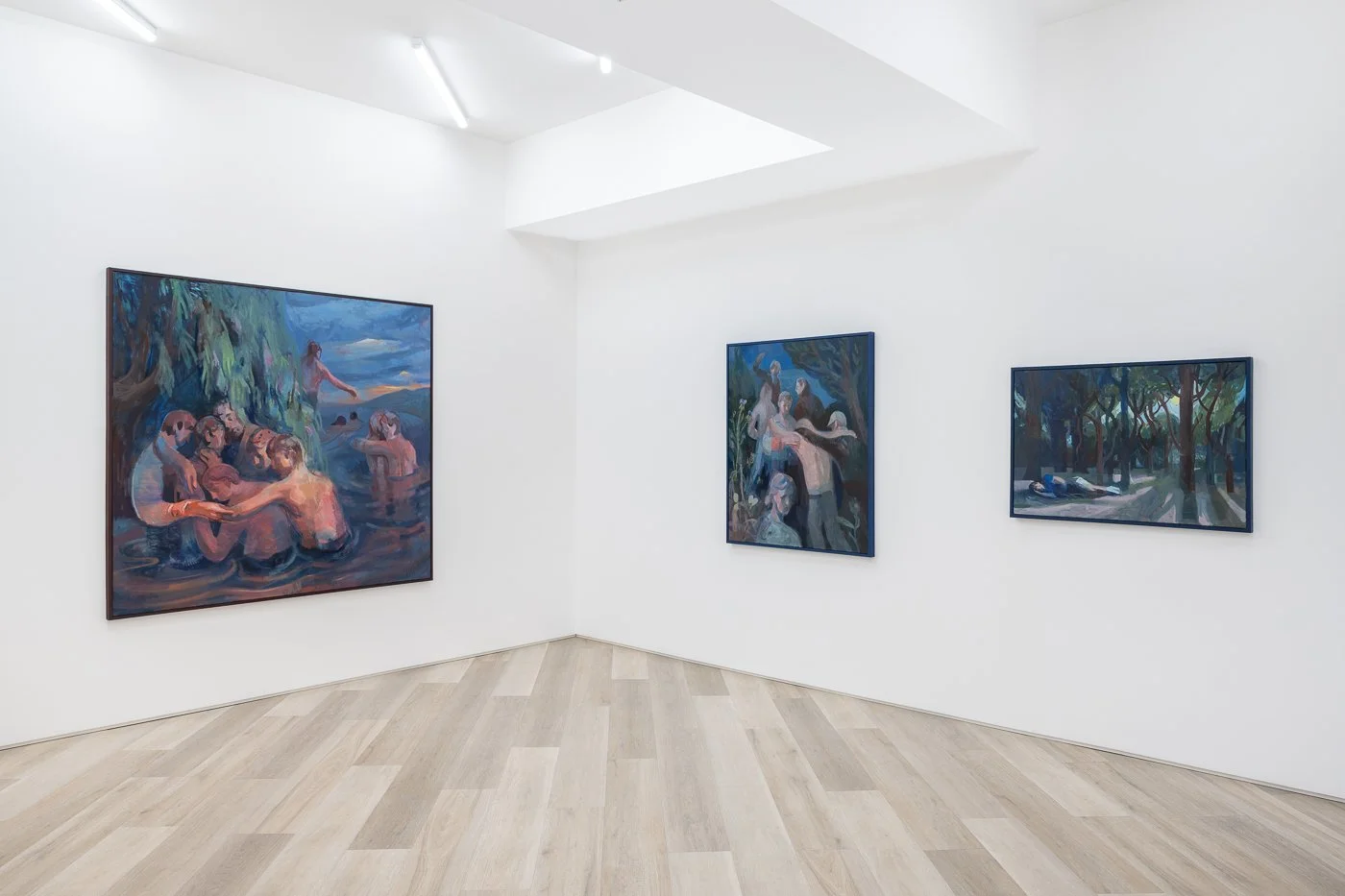
BEERS London, founded in 2012 by curator and writer Kurt Beers, was a contemporary art gallery based in London, internationally recognized for its commitment to cutting-edge contemporary painting and the promotion of emerging and mid-career artists from around the world. Over fourteen years, the gallery developed a dynamic and forward-thinking programme that embraced a diverse range of artistic practices, from figuration and abstraction to sculpture and experimental approaches. With an emphasis on artistic individuality, innovation, and curatorial risk-taking, BEERS London sought to challenge conventional perspectives and support artists whose work reflected the evolving cultural and social landscape.
Beyond its exhibition programme, the gallery fostered international collaborations, most notably through its ongoing curatorial partnership with Saatchi Gallery, while expanding opportunities for artistic exchange through initiatives such as its 40-Day Residency programme. Kurt Beers is also the author of 100 Painters of Tomorrow (2014) and 100 Sculptors of Tomorrow (2019), both published by Thames & Hudson. Throughout its history, BEERS London remained dedicated to discovering new artistic voices, encouraging experimentation, and building meaningful connections between artists, institutions, collectors, and audiences.
After fourteen years of activity, BEERS London permanently closed on August 29, 2026, concluding its programme with the final group exhibition, So This Is Goodbye....
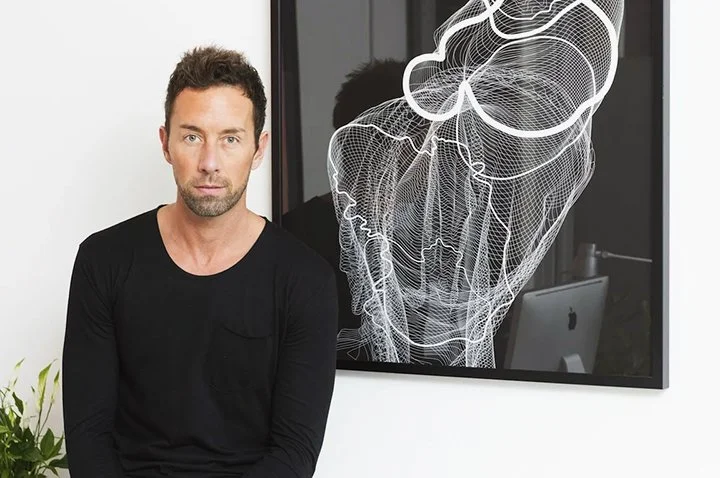
Kurt Beers, founder of BEERS LondonBEERS London has become one of the most recognizable platforms for contemporary painting in the UK over the past decade. Looking back to when you founded the gallery in 2012, what kind of space or dialogue did you feel was missing from the art world at the time?
When I founded BEERS London in 2012, I felt there was space for a gallery that could champion ambitious emerging artists without asking them to conform to a particular market-driven aesthetic too early in their careers. There were already many excellent galleries operating in London, but I wanted to create something that felt more open, international, and artist-focused; particularly around painting, which at the time was beginning to reassert itself in interesting ways after years of conceptual dominance.
I was interested in building a programme where emotional intelligence, technical ambition, and experimentation could coexist. From the beginning, the idea was to create a platform that took younger artists seriously and gave them the kind of visibility and support that can genuinely shift the trajectory of a career.
The gallery has consistently supported emerging and mid-career artists from very different stylistic and cultural backgrounds. What qualities tend to draw you toward an artist or a body of work in the early stages of discovery?
What usually draws me to an artist early on is a sense of authenticity and conviction in the work. Technical skill matters, of course, but I’m more interested in whether an artist is pushing toward something genuinely personal or unresolved rather than simply responding to trends.
I’m often attracted to work that lingers in the mind, something psychologically charged, formally inventive, or emotionally complicated. There also has to be a sense of longevity. You begin asking yourself whether this is an artist who will still be developing meaningful work ten or twenty years from now.
One of the most exciting aspects of being a gallerist is discovering artists early and supporting the development of their careers over time.
Your program moves fluidly between abstraction, figuration, conceptual practices, and material experimentation. How do you approach building a curatorial identity while remaining open to constant change?
For me, curatorial identity is less about maintaining a rigid aesthetic and more about maintaining a consistent level of curiosity and rigour. BEERS London has always embraced a wide range of practices; abstraction, figuration, sculpture, conceptual approaches, but what connects the programme is a seriousness of intent.
I never wanted the gallery to become predictable. Contemporary art should remain responsive to the world around it, and that means allowing space for change, contradiction, and evolution. The challenge is to remain open without losing coherence, and I think coherence ultimately comes from the values behind the programme rather than from visual uniformity.
BEERS London often presents artists whose works feel emotionally charged, psychologically layered, or formally disruptive. What role do you think painting still plays today in reflecting contemporary anxieties and social realities?
Painting still has a remarkable ability to absorb and reflect the anxieties of its time. Despite repeated predictions of its death, it continues to reinvent itself because it remains deeply human and physical. In an increasingly digital and accelerated culture, painting offers a slower, more contemplative encounter.
Many of the artists we work with are exploring identity, instability, memory, politics, alienation, and intimacy through painting. What interests me is how the medium can carry both emotional and intellectual complexity simultaneously. Painting still allows for ambiguity in ways that many other forms do not.
Over the years, how have you seen the expectations placed on galleries evolve, especially in relation to artists, collectors, and audiences?
The role of galleries has changed enormously over the past decade. Collectors and audiences now expect a much greater level of transparency, accessibility, and engagement. Galleries are no longer simply exhibition spaces, they are publishers, educators, communicators, advisors, and increasingly cultural communities.
At the same time, artists often need more practical and emotional support because the pressures surrounding visibility and sustainability have intensified. Social media and the pace of the contemporary art world have accelerated expectations dramatically. Galleries today have to think much more holistically about how they support artists over the long term

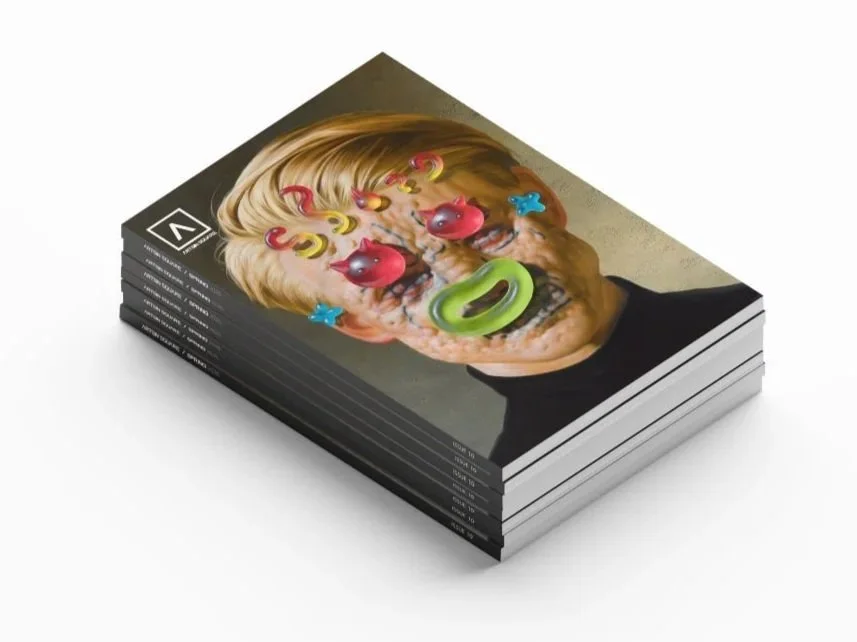
Kurt Beers, founder of BEERS London, was the guest curator for Issue 10 of ArtsinSquare Magazine. All works in this issue were selected by him, and an exclusive interview with him is also included. Learn more.
You’ve collaborated with major institutions such as the Saatchi Gallery while also maintaining an independent curatorial voice. How do you balance institutional visibility with the more experimental side of gallery programming?
Our ongoing curatorial collaboration with Saatchi Gallery since 2022 has been an especially meaningful part of the gallery’s evolution. Saatchi Gallery is one of London’s landmark contemporary art institutions, with a long history of introducing emerging artists and shaping broader conversations around contemporary practice. To be able to collaborate with an institution of that calibre while maintaining our own independent curatorial voice has been incredibly rewarding.
What has made the collaboration particularly valuable is that it has never felt purely institutional or transactional. There has been a genuine shared interest in supporting artists and presenting ambitious contemporary work to wider audiences. It has allowed BEERS London to expand the visibility of many of the artists we work with while still retaining the flexibility and experimental spirit that defines the gallery programme.
I think that balance is important. Institutions can offer scale, visibility, and historical context, while independent galleries often have the freedom to take risks earlier and move more fluidly. Ideally, those two approaches can complement one another rather than compete.
BEERS London has remained highly active during periods when the art world itself has gone through major shifts, both culturally and economically. How do you navigate unpredictability while still maintaining a clear vision for the gallery?
The art world is constantly shifting economically, culturally, and technologically, so adaptability becomes essential. But adaptability only works if you also have a clear sense of purpose.
For me, the guiding principle has always been belief in the artists and belief in the programme. Markets fluctuate, trends change, and external pressures come and go, but if you maintain integrity in your curatorial decisions, that creates a kind of stability underneath the unpredictability.
At the same time, I think it’s important for galleries to continue evolving rather than becoming overly fixed in their model. One example of that for us has been the introduction of the new 40-Day Residency programme in 2026. The residency reflects a desire not only to exhibit artists, but to support the development of artistic practice in a more sustained and meaningful way.
Especially during periods of uncertainty, creating deeper forms of engagement and exchange becomes even more important. The residency programme is part of a broader commitment to investing in artists long-term and continuing to build new opportunities for dialogue, experimentation, and international connection within London’s contemporary art landscape.
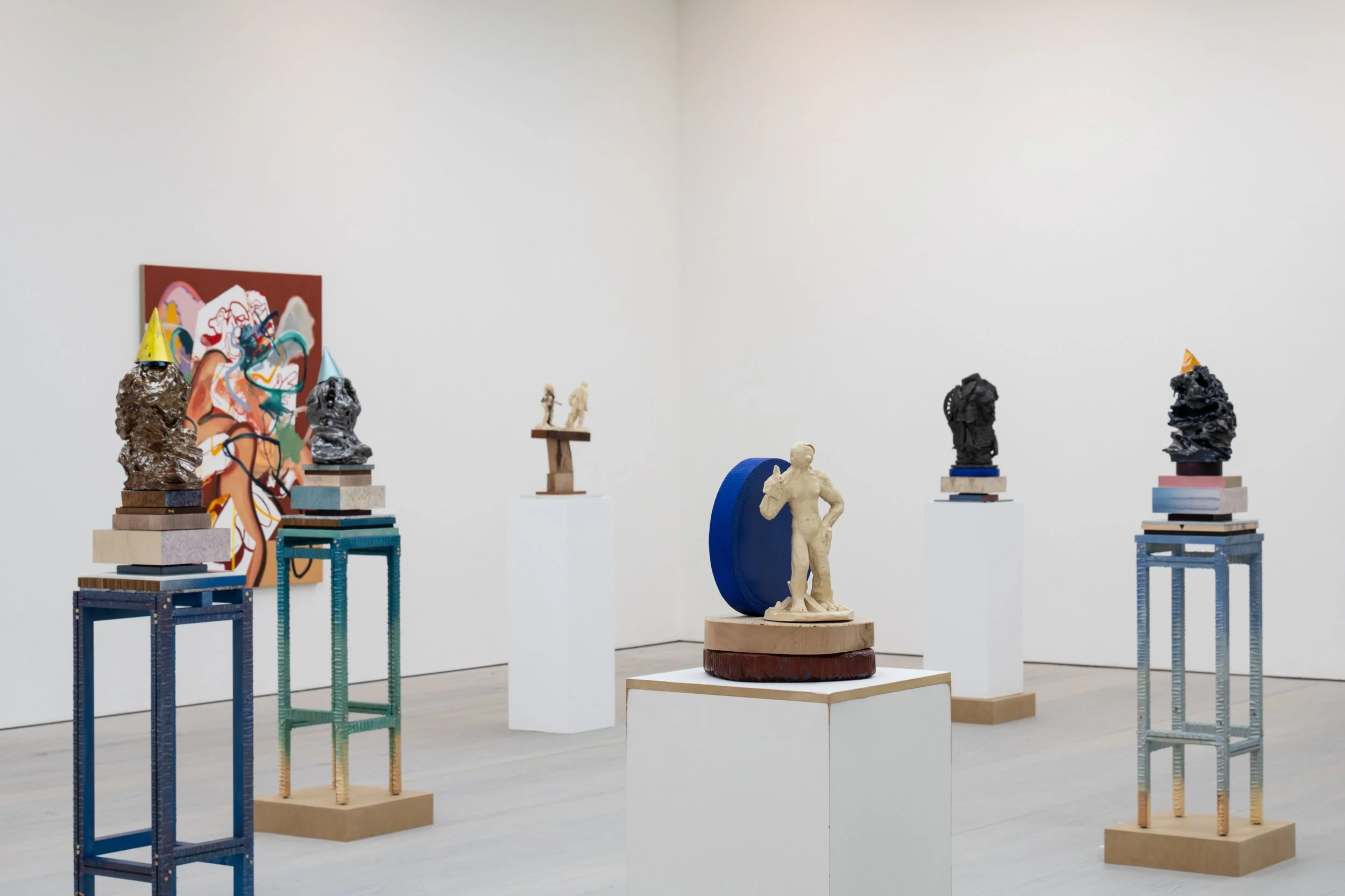
1. In 2026, the gallery launched its residency programme, creating new opportunities for international artists to engage directly with London. What motivated this initiative, and what kinds of exchanges are you hoping it will encourage?
The residency programme came from a desire to deepen artistic exchange and create more sustained engagement with artists beyond the exhibition format alone. London remains an incredibly important cultural crossroads, and residencies allow artists to immerse themselves in the city’s energy while developing new work and conversations.
What interests me most is the potential for dialogue between artists, audiences, curators, and the city itself. I hope the programme becomes a space for experimentation, reflection, and meaningful international exchange.
1. As both a curator and writer, your publications 100 Painters of Tomorrow and 100 Sculptors of Tomorrow introduced many artists to wider audiences. Has writing about art changed the way you curate exhibitions?
Writing the 100 Painters of Tomorrow and 100 Sculptors of Tomorrow books absolutely changed the way I think about curating. Both projects required looking beyond immediate trends and considering which artists might continue evolving and contributing meaningfully over time.
The books reinforced the importance of context and narrative, understanding how artists exist within broader conversations historically, culturally, and materially. They also sharpened my instinct for identifying artists at pivotal moments in their development.
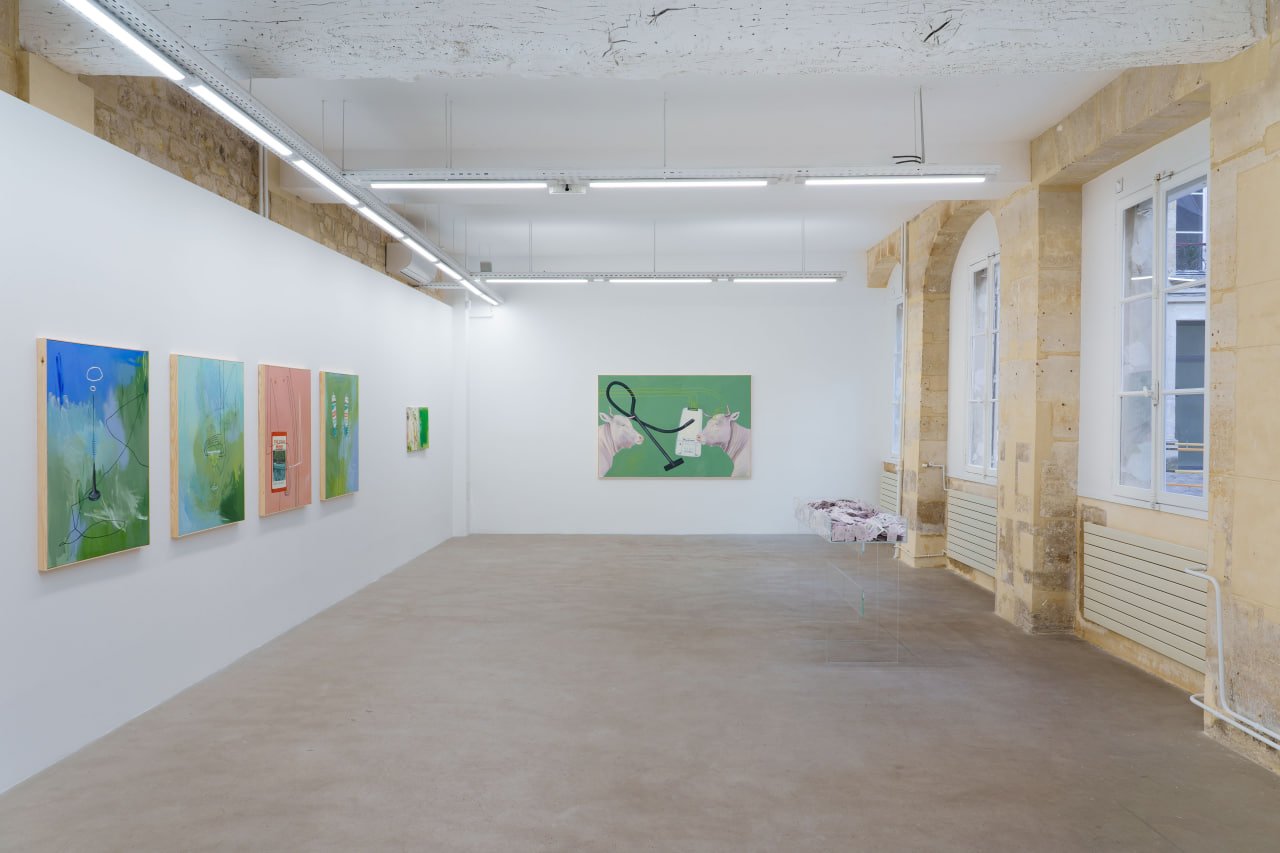
Contemporary painting has expanded far beyond traditional definitions in recent years. What excites you most about where painting is heading today?
What excites me most about painting today is its expanded vocabulary. Contemporary painting no longer feels constrained by traditional definitions or hierarchies. Artists are freely incorporating digital culture, installation, performance, sculpture, textiles, and conceptual strategies into the language of painting.
At the same time, there remains a deep hunger for materiality and human touch. I think painting’s future lies precisely in its ability to remain unstable, porous, and adaptive.
Many galleries today are pressured to follow fast-moving market trends. How important is risk-taking within your curatorial process, even when a direction may not feel commercially predictable?
Risk-taking is essential. If galleries only respond to what is already commercially validated, then the ecosystem becomes stagnant very quickly.
Some of the most important artists initially appear difficult, unresolved, or commercially uncertain. A gallery has a responsibility to create space for experimentation and for artists to evolve without immediately reducing everything to market logic.
Of course, sustainability matters, but meaningful programming requires a willingness to trust instinct and occasionally move against prevailing trends.
London remains one of the most competitive and internationally connected art cities in the world. How has the city itself shaped BEERS London’s identity over the years?
London has shaped the gallery profoundly. It remains one of the most international and culturally layered cities in the world, and that constant exchange of perspectives has always informed BEERS London’s identity.
The city also has a remarkable density of artists, institutions, collectors, and independent spaces existing alongside one another. That creates a dynamic environment where conversations are constantly evolving. London can be challenging, certainly, but it also pushes you to remain ambitious and outward-looking.
When curating a group exhibition, what interests you more: creating visual harmony between works, or allowing tension and contradiction to exist within the space?
I’m interested in both harmony and tension, but tension is often what makes a group exhibition memorable. Sometimes the most compelling dialogues emerge when works challenge one another formally or conceptually rather than sitting comfortably together.
A successful exhibition should feel alive. I want viewers to move through a space making connections, questioning assumptions, and discovering unexpected relationships between works.
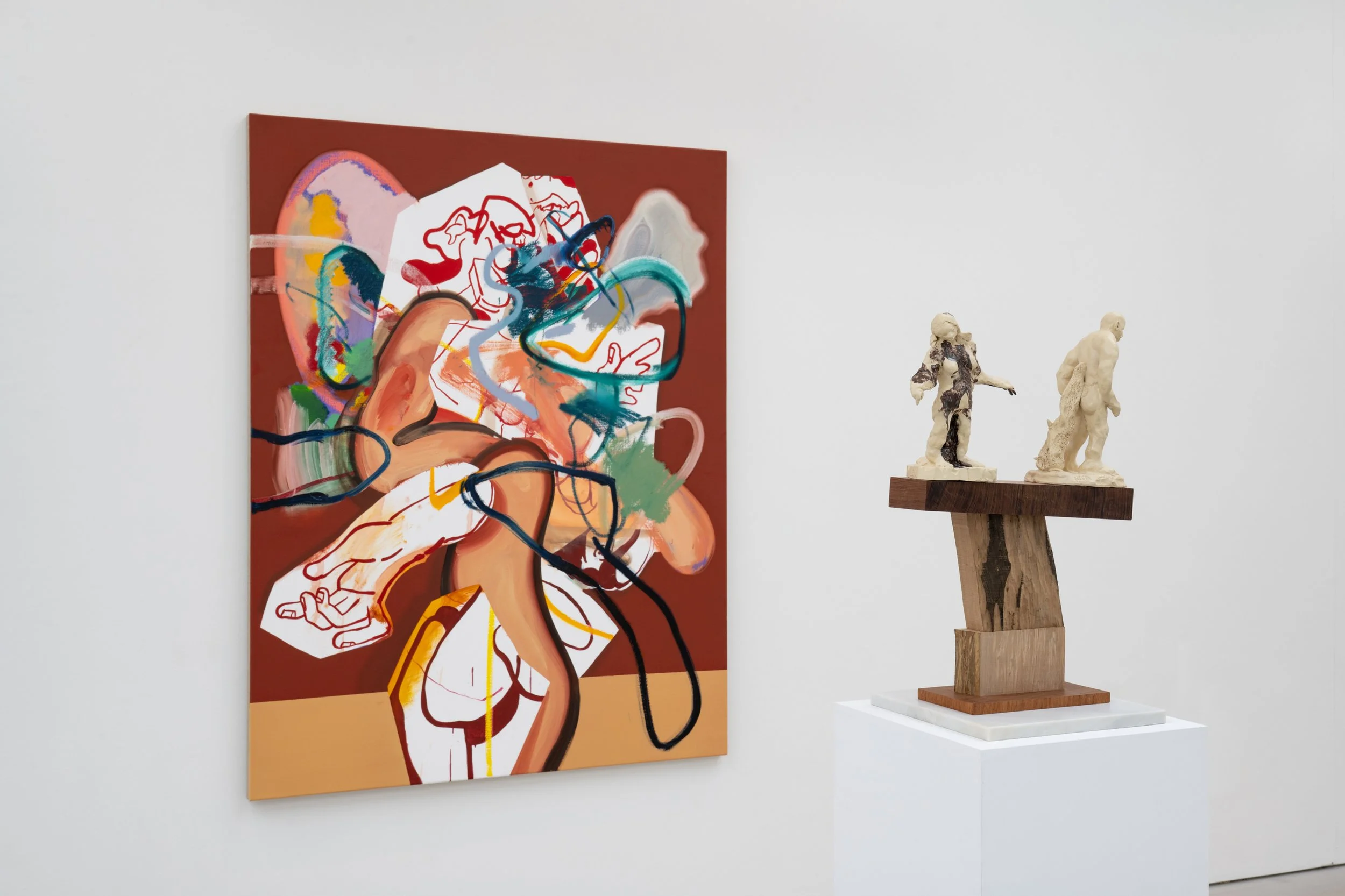
After more than a decade of working closely with artists, what do you think artists need most from galleries today beyond representation and sales?
Beyond representation and sales, artists need advocacy, honesty, and sustained belief. The relationship between artist and gallery should ideally be collaborative and rooted in trust.
Artists today are navigating enormous pressures; economic instability, visibility demands, constant self-promotion, so galleries can play an important role in providing both practical support and a sense of continuity.
Sometimes what artists need most is simply someone willing to invest in their development over the long term rather than focusing only on immediate outcomes.
Finally, what advice would you give to younger artists and curators trying to build sustainable, meaningful practices within today’s contemporary art landscape?
I would encourage younger artists and curators to focus on building depth rather than chasing speed. The contemporary art world can create pressure to achieve visibility very quickly, but meaningful practices usually develop over long periods of sustained work and reflection.
It’s important to remain curious, patient, and resilient. Build genuine relationships, trust your instincts, and avoid shaping your practice entirely around trends or algorithms. Longevity in the arts often comes from maintaining integrity and continuing to evolve rather than trying to arrive too quickly at a fixed identity.